Oriental Lantern Art: A Creative Guide
The soft glow of light filtering through paper creates an atmosphere that is instantly calming and visually captivating. Oriental Lantern Art has transcended its traditional roots to become a versatile aesthetic for modern creators, designers, and storytellers. Whether you are crafting a digital background for a website, designing packaging for a boutique brand, or looking for inspiration for your next home decor project, this art form offers a unique blend of history, color, and light.
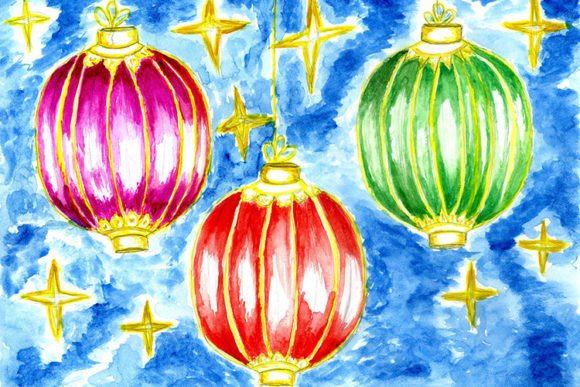
At its core, Oriental Lantern Art combines the structural elegance of lanterns with the fluidity of artistic expression. When rendered in watercolors, these pieces take on a dreamlike quality. The way the pigment bleeds into the paper mimics the diffusion of light, creating depth and texture that flat vector graphics often struggle to achieve. This medium allows for subtle variations in tone, turning a simple image into a living scene that feels organic and hand-crafted.
Understanding the Visual Language
To effectively utilize Oriental Lantern Art, one must first appreciate what makes it distinct. It is not merely about drawing a hanging lamp; it is about capturing the mood associated with it. Traditional designs often feature intricate lattice work, flowing silk drapes, and vibrant reds or golds. However, contemporary interpretations might use muted pastels, deep indigos, or even monochromatic schemes to suit modern minimalist interiors.
The watercolor technique adds a layer of authenticity. Unlike rigid digital illustrations, watercolor retains the imperfections of the brushstroke. These "flaws" add character, making the artwork feel human and approachable. For marketers and entrepreneurs, this authenticity is a powerful tool. In a digital landscape saturated with polished, generic stock photos, a watercolor illustration of an oriental lantern stands out as something genuine and thoughtful.
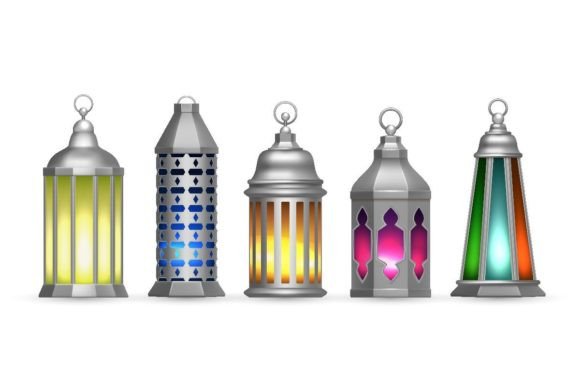
When selecting or creating images for your projects, look for specific details that enhance the narrative. Consider the shape of the lantern—cylindrical, hexagonal, or spherical—as each shape evokes different feelings. A tall, cylindrical lantern suggests elegance and height, while a round, floating lantern might symbolize hope and celebration. The background is equally important. A dark, blurred background can make the lantern pop, creating a focal point, whereas a busy, patterned background might overwhelm the subject unless handled with great care.
Applying Art to Digital Design
For web designers and UI/UX specialists, Oriental Lantern Art serves as an excellent foundation for immersive experiences. Imagine a landing page for a spa or a wellness retreat where the header features a high-resolution watercolor painting of glowing lanterns against a misty night sky. The soft edges of the watercolor blend seamlessly with gradient backgrounds, guiding the user's eye naturally toward the call-to-action buttons.
In social media marketing, these visuals perform exceptionally well. Platforms like Instagram and Pinterest favor high-quality, aesthetically pleasing imagery. A series of posts featuring different watercolor lantern styles can create a cohesive feed that establishes a brand's visual identity. The key is consistency. If you choose a specific palette, such as warm oranges and cool teals, stick to it across all your content to build recognition.
- Header Imagery: Use large, atmospheric watercolor lanterns to set the tone for blog headers or article intros.
- Social Media Stories: Create animated versions where the light flickers slightly to draw attention without being distracting.
- Brand Packaging: Print these designs on matte paper for product boxes, adding a tactile element that complements the visual softness.
Practical Applications for Content Creators
Beyond standard design work, Oriental Lantern Art opens doors for diverse creative projects. Bloggers and publishers can use these images to break up long blocks of text, providing a visual pause that keeps readers engaged. Because the style is relatively neutral yet rich in culture, it fits well with topics ranging from travel guides and cultural histories to mindfulness and interior design.
For educators, these artworks can be used in presentations to illustrate concepts related to Asian cultures, festivals, or lighting design. The visual clarity of a watercolor painting helps students focus on the structure and color theory involved. When teaching, encourage learners to analyze how the artist used negative space to define the shape of the lantern, a lesson that applies to graphic design and photography as well.
Freelancers and small business owners can leverage this art style to differentiate their services. A photographer specializing in event planning might include a portfolio section dedicated to "Lighting and Atmosphere," showcasing how they envision using lanterns at weddings or parties. By presenting their vision through original or licensed watercolor art, they demonstrate creativity and an eye for detail before the client even hires them.
Curating Your Own Collection
If you are looking to source or create your own library of Oriental Lantern Art, there are several practical steps to ensure quality and originality. First, prioritize high-resolution files. A low-resolution image will pixelate when printed or displayed on large screens, ruining the delicate watercolor effect. Look for files that are at least 300 DPI for print and scalable vectors if possible, though true watercolor textures require raster images.
When sourcing images, consider licensing terms carefully. Many artists offer commercial licenses that allow you to use their work in products or websites. Supporting independent artists ensures you get unique content that hasn't been overused by competitors. If you are an artist yourself, experiment with different brushes and paper textures to find your signature style.
- Texture Matters: Add subtle grain or paper texture overlays to digital scans to maintain the handmade feel.
- Color Harmony: Ensure the colors in your lantern art complement the rest of your design palette. Complementary colors like blue and orange can create dynamic contrast.
- Contextual Placement: Don't just drop the image in; frame it within a layout that respects its shape and flow.
Maintaining Consistency and Clarity
One of the biggest challenges in using decorative art is maintaining clarity. A complex watercolor background can sometimes compete with text or other interface elements. To avoid this, use the lantern art as a backdrop with reduced opacity or place it behind a semi-transparent overlay. This technique preserves the beauty of the artwork while ensuring your message remains readable.
Consistency is also key for branding. If you decide to use Oriental Lantern Art for a campaign, ensure the style remains consistent across all touchpoints. If one image is highly detailed and realistic, but another is abstract and sketchy, the brand message may become confused. Define a style guide that specifies the level of detail, color saturation, and composition rules for your use of this art form.
Finally, remember that less is often more. A single, beautifully rendered lantern can be more impactful than a cluster of ten. Focus on the story you want to tell. Are you conveying warmth? Mystery? Celebration? Let the choice of lantern style and color reflect that emotion. By balancing artistic flair with strategic application, you can create materials that are not only beautiful but effective in achieving your goals.
Whether you are a seasoned professional or a hobbyist exploring new mediums, Oriental Lantern Art offers a rich resource for inspiration. Its ability to evoke emotion through light and color makes it a timeless choice for creative projects. Embrace the softness of watercolor and the elegance of the lantern to bring a touch of the exotic and the serene into your work.